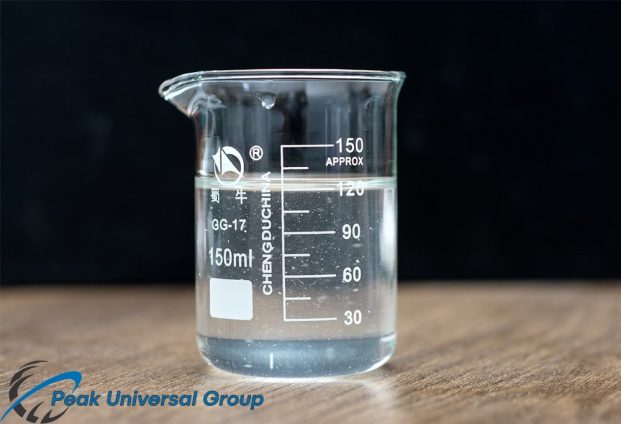
Understanding the Health Hazards of Liquid Paraffin
Liquid paraffin often known as Mineral oil, is one of the most widely used petroleum-derived substances in the modern world. It appears in cosmetics, pharmaceuticals, personal care products, food processing, textile manufacturing, and heavy industrial operations. Its stability, purity, and versatility make it a valuable raw material.
However, people frequently ask an important question:
“Is liquid paraffin hazardous?”
The short answer:
High-purity liquid paraffin is safe for cosmetic and medical use, but industrial-grade paraffin can be hazardous if misused.
To fully understand where the risks come from and how to handle liquid paraffin safely, this comprehensive guide explores:
-
What liquid paraffin is
-
Its grades and purity levels
-
Industrial, pharmaceutical, and cosmetic applications
-
Known hazards and exposure risks
-
Fire and environmental considerations
-
Safe-handling guidelines
-
Regulatory standards and certifications
By the end of this article, you will have a complete and practical understanding of liquid paraffin’s safety profile across different applications.
This blog explores Health Hazards of Liquid Paraffin, safe handling practices, and why Peak Universal is your go-to supplier for high-quality product.
What is Liquid Paraffin?
Liquid paraffin is a highly refined, colorless, odorless mineral oil derived from petroleum distillates. It is composed primarily of saturated hydrocarbons and is chemically stable, non-reactive, and resistant to oxidation.
Because of its inert nature, it is widely used in:
-
Cosmetics
-
Medical ointments
-
Baby oils
-
Industrial lubrication
-
Plastic manufacturing
-
Food-grade coatings
-
Textile treatment
-
Polishing and moisture-resistant products
However, it is important to understand that not all liquid paraffin is the same. Different grades have significantly different safety profiles.
What are the hazards of paraffin liquid?
Skin Irritation
It can cause skin irritation in some individuals. Prolonged exposure may lead to redness, itching, and dryness.
- Prevention: Use protective gloves and limit skin contact.
- Treatment: Wash the affected area with soap and water. Apply a soothing cream if necessary.
Respiratory Issues
Inhaling its fumes can cause respiratory problems. Symptoms may include coughing, shortness of breath, and chest discomfort.
- Prevention: Ensure proper ventilation when using it. Use a mask if necessary.
- Treatment: Move to fresh air and seek medical attention if symptoms persist.
Eye Irritation
Accidental contact with it can irritate the eyes. Symptoms include redness, watering, and a burning sensation.
- Prevention: Wear safety goggles when handling it.
- Treatment: Rinse the eyes with clean water for at least 15 minutes. Seek medical advice if irritation continues.
Ingestion Hazards
Ingesting liquid paraffin can lead to digestive issues. Symptoms may include nausea, vomiting, and diarrhoea.
- Prevention: Store it away from food and drink. Use clear labelling to avoid accidental ingestion.
- Treatment: Do not induce vomiting. Seek immediate medical assistance.
Grades of Liquid Paraffin and Their Safety Differences
1. Pharmaceutical-Grade Liquid Paraffin
This is the highest purity level. It meets strict standards such as:
-
BP (British Pharmacopoeia)
-
USP (United States Pharmacopeia)
-
EP (European Pharmacopoeia)
Uses include:
-
Laxatives
-
Baby lotions
-
Medical creams and ointments
-
Moisturizers
This grade is safe for skin contact and oral intake (as prescribed).
2. Cosmetic-Grade Liquid Paraffin
Slightly lower purity than pharmaceutical grade but still safe for external use in:
-
Creams
-
Lotions
-
Lip care
-
Hair oils
-
Makeup removers
It has strict limits on aromatic hydrocarbons and toxic impurities.
Moisturizers
Liquid paraffin is a key ingredient in many moisturizers. It helps to lock in moisture and keep the skin hydrated.
Makeup Removers
Due to its gentle properties, liquid paraffin is used in makeup removers. It effectively dissolves makeup without irritating the skin.
Hair Care Products
It is found in various hair care products. It adds shine and helps to tame frizz, improving hair appearance.
3. Industrial-Grade Liquid Paraffin
This grade may contain more impurities and is used in:
-
Lubrication
-
Plastic processing
-
Metalworking
-
Textile manufacturing
-
Heavy-duty coatings
Industrial-grade paraffin is NOT safe for skin, inhalation, or ingestion.
This distinction is critical when addressing whether liquid paraffin is hazardous.
Lubricants
It is used as a lubricant in machinery and equipment. It reduces friction and wear, prolonging the lifespan of components.
Coolants
In industrial processes, liquid paraffin acts as a coolant. It helps to maintain optimal temperatures and prevent overheating.
Hydraulic Fluids
Liquid paraffin is used in hydraulic systems. Its properties make it suitable for transmitting power and ensuring smooth operation.
Safe Handling Practices
Personal Protective Equipment (PPE)
Always wear appropriate PPE when handling liquid paraffin. This includes gloves, safety goggles, and protective clothing.
Proper Storage
Store it in a cool, well-ventilated area. Ensure containers are tightly sealed to prevent leaks and contamination.
Labeling and Signage
Clearly label containers with the contents and any hazard warnings. Use appropriate signage in storage and handling areas.
Ventilation
Ensure good ventilation in areas where liquid paraffin is used. This helps to disperse any fumes and reduce inhalation risks.
Is Liquid Paraffin Hazardous? Understanding Its Safety Profile
Liquid paraffin is often categorized as “low toxicity”, but that does not mean it is risk-free. Its hazards depend on:
-
Exposure route
-
Duration
-
Concentration
-
Grade of oil
-
Environment of use
Let’s explore each key risk area.
Fire and Flammability Hazards
Liquid paraffin is combustible but not highly flammable.
Key facts:
-
It does not vaporize easily at room temperature.
-
It requires a high temperature to ignite.
-
Industrial environments with heat sources increase risk.
Flash Point: 150°C–220°C depending on grade.
This means liquid paraffin can catch fire when heated significantly above normal working temperatures.
Emergency response recommendations:
-
Use foam, dry chemical, or CO₂ extinguishers.
-
Do not use water jets—they can spread burning oil.
Although the fire risk is moderate, it becomes a concern in:
-
Textile mills
-
Machinery lubrication processes
-
Plastic manufacturing
-
Bulk storage facilities
Inhalation Hazards: A Key Area of Concern
Liquid paraffin is generally safe on the skin, but inhaling aerosolized or mist forms is hazardous.
Potential risks include:
-
Lung irritation
-
Chemical pneumonitis
-
Lipid pneumonia
-
Chronic respiratory issues
These issues occur primarily when:
-
Spraying or fogging paraffin oils
-
Operating around paraffin-based mists
-
Using high-temperature machinery that vaporizes oil
-
Poorly ventilated industrial spaces
For everyday users of cosmetics or lotions, these risks do not apply.
Skin Exposure: Generally Safe, But With Considerations
Pharmaceutical and cosmetic-grade paraffin is widely used in skincare because it is:
-
Non-irritating
-
Hypoallergenic
-
Inert
-
Moisture-locking
However, excessive or improper use can:
-
Block pores
-
Cause acne or folliculitis
-
Create a greasy barrier
Industrial-grade paraffin should never come into direct skin contact because impurities may irritate the skin.
Ingestion: Only Pharmaceutical Grade Is Safe
Some medical formulations use liquid paraffin as a laxative.
ONLY pharmaceutical-grade paraffin is safe for ingestion.
Ingesting industrial-grade paraffin can lead to:
-
Gastrointestinal distress
-
Toxicity from impurities
-
Lipid aspiration in severe cases
Furthermore, swallowing paraffin and accidentally inhaling it into the lungs can cause:
-
Aspiration pneumonia
-
Severe inflammation
-
Hospitalization
Always follow medical guidance when consuming paraffin-based products.
Environmental Hazards
Liquid paraffin is derived from petroleum, meaning it has inherent environmental impacts.
Potential issues include:
-
Soil contamination
-
Harm to aquatic life
-
Long-term persistence in ecosystems
-
Slow biodegradation
Industrial spills must be managed with:
-
Absorbent materials
-
Containment booms
-
Hazardous waste disposal
-
Professional cleanup teams
Small household uses, however, pose negligible environmental risks.
Occupational Exposure Risks
Industrial workers may face the highest potential risks from liquid paraffin exposure.
Occupational hazards include:
-
Respiratory issues from oil mists
-
Skin irritation from prolonged contact
-
Slips on paraffin-coated floors
-
Fire risks near heated equipment
Recommended safety measures:
-
Protective gloves and clothing
-
Proper ventilation systems
-
Eye protection
-
Respiratory masks (when needed)
-
Spill control procedures
Workplaces using paraffin must follow OSHA and local HSE regulations.
Applications of Liquid Paraffin and Related Safety Considerations
Liquid paraffin has thousands of uses across different industries. Let’s review major sectors and their safety requirements.
A. Medical & Pharmaceutical Applications
Used in:
-
Laxatives
-
Ointments
-
Lubricating gels
-
Sterile preparations
Safety considerations:
-
Use only pharmaceutical-grade
-
Avoid inhaling during administration
-
Keep away from children
B. Cosmetic and Personal Care Applications
Found in:
-
Creams
-
Lotions
-
Lip balms
-
Baby oil
-
Hair care products
Safety considerations:
-
Avoid excessive long-term occlusive use
-
Patch test for sensitive skin
-
Keep away from open flames
C. Food Processing Applications
Food-grade paraffin is used in:
-
Fruit waxing
-
Food packaging
-
Machinery lubrication near food
-
Anti-stick coatings
Safety considerations:
-
Must meet FDA/EFSA purity requirements
-
Avoid contamination of uncooked foods
D. Industrial and Manufacturing Applications
Used as:
-
Cutting oil
-
Plasticizer
-
Cable oil
-
Transformer oil (in some forms)
-
Lubricant
Safety considerations:
-
Inhalation protection
-
Ventilation
-
Fire prevention
-
Avoid skin exposure
How to Handle and Store Liquid Paraffin Safely
Storage guidelines:
-
Keep away from heat and open flames
-
Store in tightly sealed containers
-
Avoid sunlight
-
Maintain in cool, dry areas
Handling precautions:
-
Use gloves for industrial-grade paraffin
-
Ensure adequate ventilation
-
Avoid heating above flash point
-
Clean spills immediately
Peak Universal: Your Trusted Paraffin Supplier
Quality Assurance
Peak Universal ensures the highest quality of liquid paraffin. Their products meet stringent industry standards, guaranteeing safety and effectiveness.
Wide Range of Products
Peak Universal offers a diverse range of liquid paraffin products. Whether for industrial, cosmetic, or pharmaceutical use, they have the right solution.
Reliable Supply Chain
Peak Universal’s efficient supply chain ensures timely delivery. Their logistics minimize downtime and keep your operations running smoothly.
Technical Support
Peak Universal provides expert technical support. Their team assists with product selection, application techniques, and troubleshooting.
Sustainability Commitment
Peak Universal is committed to sustainability. They invest in eco-friendly practices and continuously work to reduce their environmental impact.
Conclusion- Health Hazards of Liquid Paraffin
Liquid paraffin is a versatile and widely used substance. However, it poses certain health hazards, including skin irritation, respiratory issues, eye irritation, and ingestion risks. By following safe handling practices, these hazards can be minimized.
Peak Universal Business stands out as a trusted supplier of high-quality liquid paraffin. Their commitment to quality, reliable supply chain, technical support, and sustainability make them the ideal choice for all your liquid paraffin needs.
Whether for industrial, cosmetic, or pharmaceutical applications, trust Peak Universal Business to provide the solutions you require.
You can Read More about other products Here:
Gilsonite and Its Safety Aspects & Industrial Applications
If You have any other Query or Question you want to ask, please don’t hesitate to Contact Us.


- 0 comment
Leave a Reply