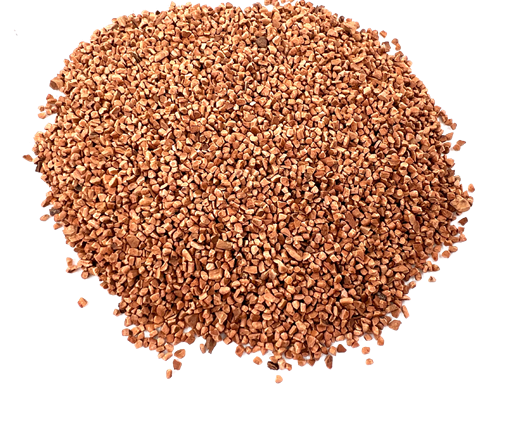
Enhancing Drilling Efficiency with Walnut Shell Additives in Drilling Fluids
Use of Walnut Shell in Drilling Fluids – Drilling fluids, also known as Drilling Mud, play a crucial role in the drilling process for oil and gas exploration. These specialized fluids are designed to lubricate the drill bit, carry rock cuttings to the surface, and maintain pressure within the wellbore.
While traditional drilling fluids have long been utilized in the industry, advancements in technology have led to the development of innovative additives to improve drilling efficiency and environmental sustainability.
One such additive gaining attention is Walnut Shell, supplied by Peak Universal Business, which offers promising benefits for drilling operations.
Understanding Walnut Shell Additives:
Walnut shell is a widely used natural, environmentally friendly additive in drilling fluids, valued for its ability to mitigate loss circulation, strengthen wellbore stability, and protect drilling equipment. Because walnut shell is tough, resilient, and chemically inert, it performs effectively in a variety of drilling environments, including water-based, oil-based, and synthetic drilling mud systems.
Below is a complete breakdown of its role, benefits, applications, and properties.
What Are Walnut Shell Additives?
Walnut shell additives are produced by grinding and sizing the hard shells of walnuts into various mesh distributions such as:
Fine (20/40 mesh)
Medium (10/20 mesh)
Coarse (6/10 mesh)
These different grades are blended or selected depending on the severity and type of lost circulation problem. Since walnut shell is a naturally durable, abrasion-resistant material, it maintains integrity even under challenging downhole pressures.
Why Walnut Shell Is Used in Drilling Fluids
Walnut shell is primarily used for:
1. Lost Circulation Control
Walnut shell is one of the most reliable lost-circulation materials (LCM) in drilling operations.
It helps plug fractures, vugs, cavities, and permeable formations. Its elasticity and toughness allow it to wedge into openings and form an effective seal without breaking down.
2. Wellbore Strengthening
Walnut shell can enhance wellbore stability by bridging micro-fractures and reducing fluid invasion into the formation. This helps prevent wellbore collapse and maintains integrity during drilling.
3. Torque and Drag Reduction
Because walnut shell is smooth and resilient, it reduces friction between the drill string and the wellbore wall. This leads to:
Lower torque
Smoother rotation
Reduced risk of differential sticking
This is especially beneficial when drilling deviated or horizontal wells.
4. Protection of Downhole Tools
Walnut shell’s cushioning effect protects bits, stabilizers, and other equipment from excessive wear. It prevents solid particles from impacting sensitive surfaces, extending equipment lifespan.
5. Environmentally Friendly Drilling Additive
Walnut shell is biodegradable, non-toxic, and naturally sourced. It’s safe for disposal and does not introduce harmful chemicals to the formation or environment, aligning with modern environmental and ESG standards.
How Walnut Shell Works in Drilling Mud
Walnut shell performs through three main mechanisms:
➤ Bridging
Coarse particles lodge into fractures and voids.
➤ Packing
Medium and fine particles fill remaining spaces.
➤ Sealing
A solid, impermeable seal is formed to stop fluid loss.
This multi-particle sealing structure is durable and flexible, making it ideal for high-pressure or highly fractured zones.
Types of Walnut Shell Products Used in Drilling
1. Coarse Walnut Shell (6/10 Mesh)
Used for severe lost circulation
Effective in large fractures or cavernous formations
2. Medium Walnut Shell (10/20 Mesh)
Used for moderate circulation losses
Good balance between bridging and sealing
3. Fine Walnut Shell (20/40 Mesh)
Used to fill smaller voids
Used in combination with larger grades for a complete plug
4. Walnut Shell Blends
Pre-mixed blends of different sizes offer optimal sealing performance and are commonly used in field operations.
Benefits of Walnut Shell in Drilling Fluids
The utilization of walnut shell additives in drilling fluids offers several key benefits to drilling operations:
✔ Highly effective for loss circulation
✔ Compatible with all mud systems (WBM, OBM, SBM)
✔ Does not affect rheology significantly
✔ Reduces torque, drag, and differential sticking
✔ Biodegradable and eco-friendly
✔ Stable at high pressures and temperatures
✔ Cost-effective compared to synthetic LCMs
Application in Drilling Operations
Walnut shell is typically added directly into the active mud system or spotted across the loss zone. Typical concentrations vary depending on severity:
Preventive treatment: 2–5 lb/bbl
Moderate losses: 5–15 lb/bbl
Severe losses: 15–30+ lb/bbl
It can also be pumped as a pill for targeted treatment.
Industries That Use Walnut Shell
Walnut shell sees extensive use in:
Onshore and offshore drilling
Deep wells and high-pressure/high-temperature wells (HPHT)
Shale formations
Carbonate reservoirs
Horizontal and directional wells
Its versatility makes it a standard material in both conventional and unconventional drilling.
Peak Universal Business: Best Quality Walnut Shell Supplier
Peak Universal Business is a leading supplier of walnut shell additives for drilling fluids. With a commitment to quality and innovation, Peak Universal Business offers a range of walnut shell products tailored to meet the specific needs of drilling applications.
Their expertise in material sourcing, processing, and formulation ensures that customers receive high-performance additives that deliver consistent results.
Peak Universal Business takes pride in its dedication to sustainability and environmental responsibility. By utilizing natural materials such as walnut shell, they contribute to reducing the environmental footprint of drilling operations while maintaining superior performance standards.
Conclusion:
In conclusion, Walnut Shell additives offer a sustainable and effective solution for enhancing drilling fluid performance. With benefits such as enhanced filtration, reduced formation damage, improved wellbore stability, and cost-effectiveness, these additives are increasingly being adopted by drilling contractors worldwide.
As a leading supplier of Walnut Shell additives, Peak Universal Business plays a crucial role in supporting the industry’s transition towards more sustainable drilling practices.
By leveraging the unique properties of walnut shell, drilling operations can achieve greater efficiency while minimizing their environmental footprint.
Uses and Benefits of Walnut Shell in Drilling Fluids: Enhanced Filtration, Reduced Formation Damage, Improved Wellbore Stability, Cost-Effectiveness
You can Read More about Our products Here:
What is gilsonite used for in drilling?
How Penetration Bitumen 35/50 is Produced?
If You have any other Query or Question you want to ask, Please don’t hesitate to Contact Us.
- 0 comment
Leave a Reply